Insurance Broking
People rarely consider insurance unless something goes wrong. A hospital visit, a car repair, or a sudden loss of income can put pressure on your savings. Insurance is just a means to be ready for those times. Being practical, not scared, is the key. The right policy handles surprises without disrupting long-term objectives.
 Explore More
Insurance Services
Retail Insurance


Corporate Insurance


How LM Helps You for Insurance
Follow our simple account opening process and begin trading with ease.

Expert Guidance
Benefit from experienced professionals offering research-backed, unbiased fund recommendations.
Personalized Investment Approach
Your portfolio is tailored to your financial goals, risk profile, and investment horizon.
Transparent & Client-First
Clear processes, no hidden charges, and complete visibility across your investments.
Seamless Investing Experience
Easy onboarding, smooth execution, and continuous portfolio tracking.
Ready to Protect What Matters Most
Open a Demat & Trading account in 15 Minutes.
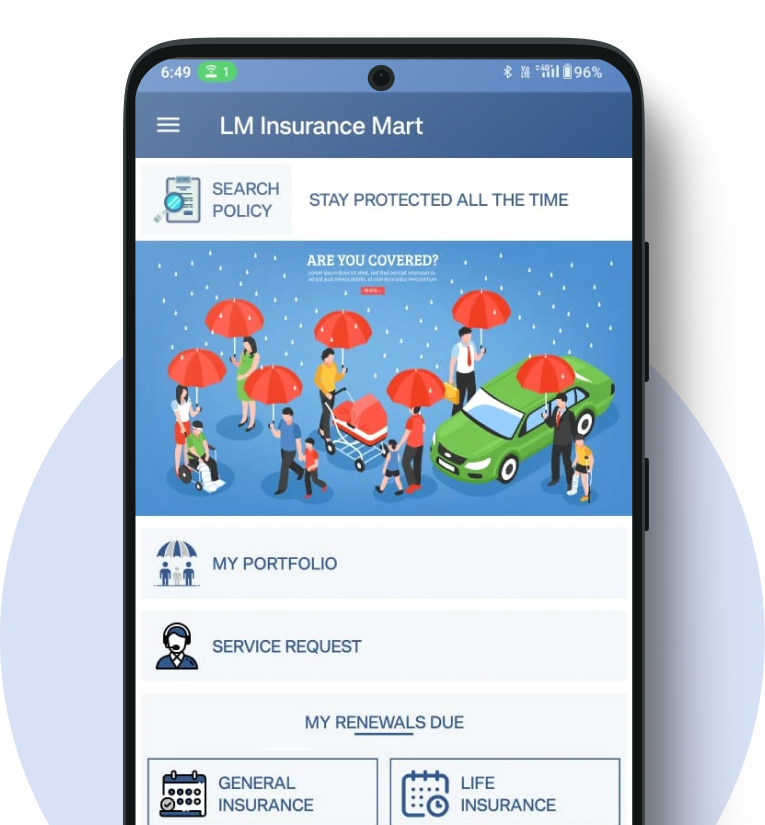
InsuranceMart App
Manage all your insurance policies in one place with the InsuranceMart App.
Scan to Download


Answers to Your Most Common Questions
The best time to buy insurance is as early as possible. Insurance premiums are calculated based on risk; since younger individuals are generally healthier, they secure significantly lower rates. Waiting until later in life often results in higher premiums or exclusions for pre-existing conditions.